
Why Registration or Payment May Be Restricted Even When an Overseas Website Offers a Korean-Language Page
Have you ever spent ten minutes carefully filling out a registration form on an overseas website, only to be greeted by a blunt “Payment Declined” or “Region Restricted” error at the final checkout step? This frustrating experience is surprisingly common. Many digital consumers assume that if a foreign website features a fully translated Korean interface, the company officially welcomes South Korean users.
Unfortunately, this is often an illusion. Understanding why these restrictions happen can save you hours of wasted time and spare you the headache of dealing with frozen bank transactions. This guide breaks down the gap between language localization and regional availability, explains how payment gateways filter out Korean credit cards, and outlines the risks of trying to bypass these blocks.
The Illusion of Localization: How to Spot a “Translation-Only” Website Instantly
In the era of modern web development, translating a website into Korean takes minutes. Many global businesses use automated browser plugins or translation layers (such as Weglot) that dynamically switch text based on your IP’s browser settings. However, a Korean user interface (UI) is merely a convenience feature—it is never an automatic guarantee of regional service or local billing support.
To avoid wasting your time on a site that will eventually reject you, run through this quick 3-second checklist before you click “Sign Up”:
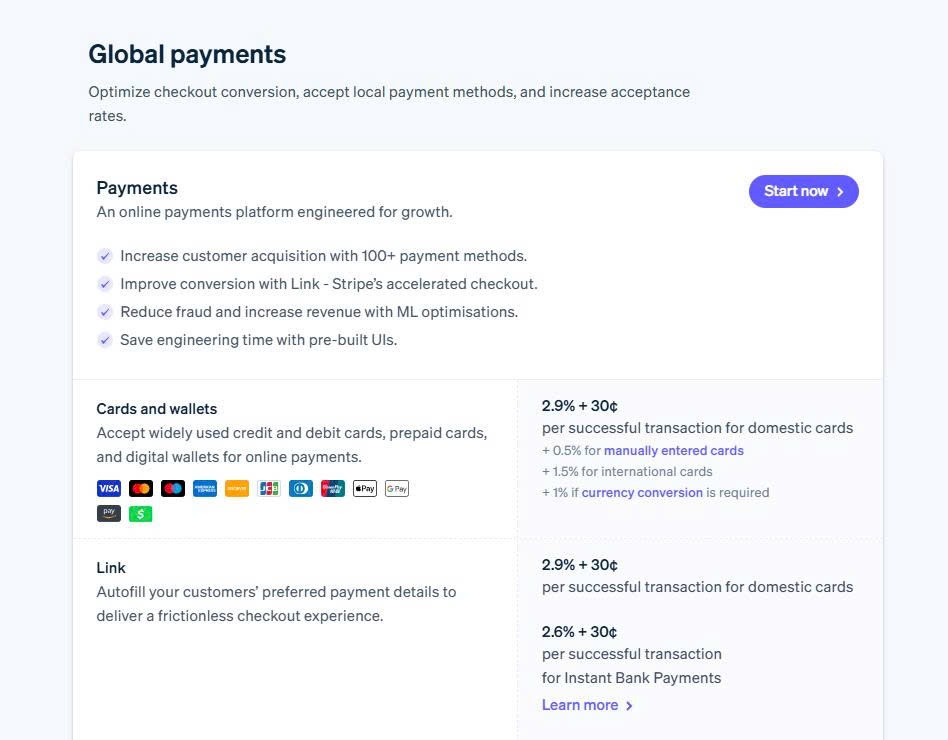
- Check the Footer for Local Payment Logos: Scroll straight to the bottom of the page. Do you see familiar Korean gateways like Naver Pay, Kakao Pay, Toss, or domestic PG logos? If the footer only lists global options like Stripe, PayPal, or generic credit card icons, it is a major red flag.
- Inspect the Country Dropdown Default: Open the registration page and look at the country selection list. Does it default to the US or Europe, and is South Korea completely missing or grayed out from the dropdown menu?
- Examine the Currency Behavior: Does the site continue to force prices in USD, EUR, or JPY despite displaying all descriptive text in fluent Korean? Real localized sites will almost always price items in KRW.
Payment Gateway Rejections: How Foreign Sites Detect Korean Credit Cards
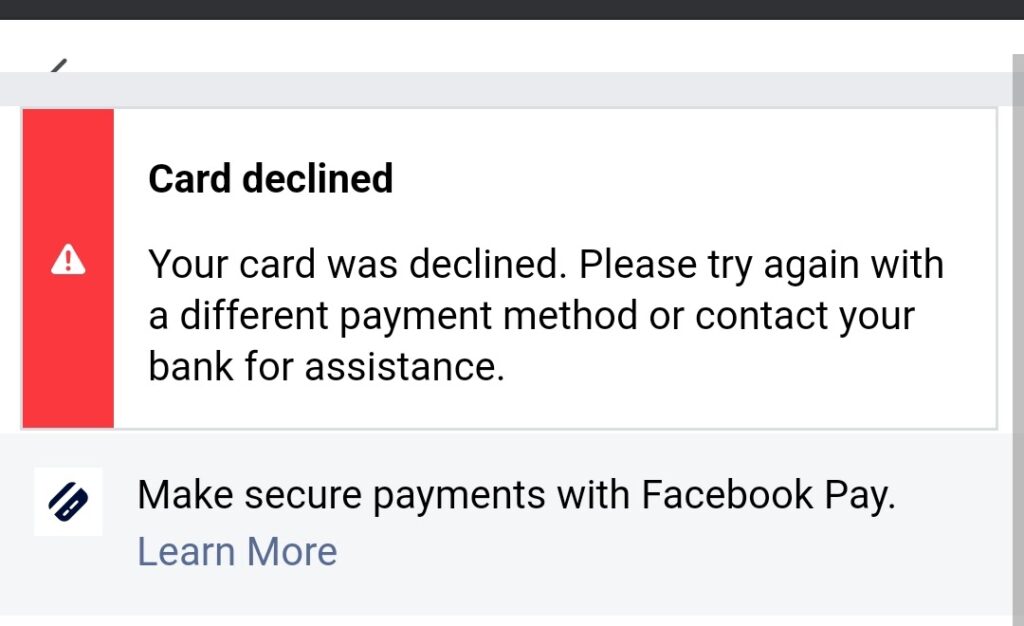
One of the most baffling moments for online shoppers is when their Korean-issued credit card (bearing a global Visa or Mastercard logo) is instantly rejected by an overseas checkout system. You might wonder, “Isn’t Visa universal?”
The rejection usually comes down to a technical mechanism called BIN (Bank Identification Number) Filtering. The first 6 to 8 digits of any credit card reveal the exact country of issuance and the issuing bank. Even if an overseas merchant claims to accept “international cards,” their third-party payment processor (like Stripe, Adyen, or Braintree) is often configured to automatically drop any transaction originating from specific regional BIN blocks—including South Korea—to mitigate high rates of cross-border fraud or comply with internal risk assessments.
Furthermore, foreign payment forms almost always require an exact ZIP code or Billing Address match. Because Korean postal codes and address systems do not map cleanly onto standard US/EU billing verification systems, the transaction fails automatically.
Behind the Scenes: Why Global Platforms Block South Korean IP Addresses
You might ask yourself: “Why would a company refuse my money just because I live in Korea?” The answer rarely comes down to personal choice; instead, it is driven by rigid behind-the-scenes legal and economic frameworks:
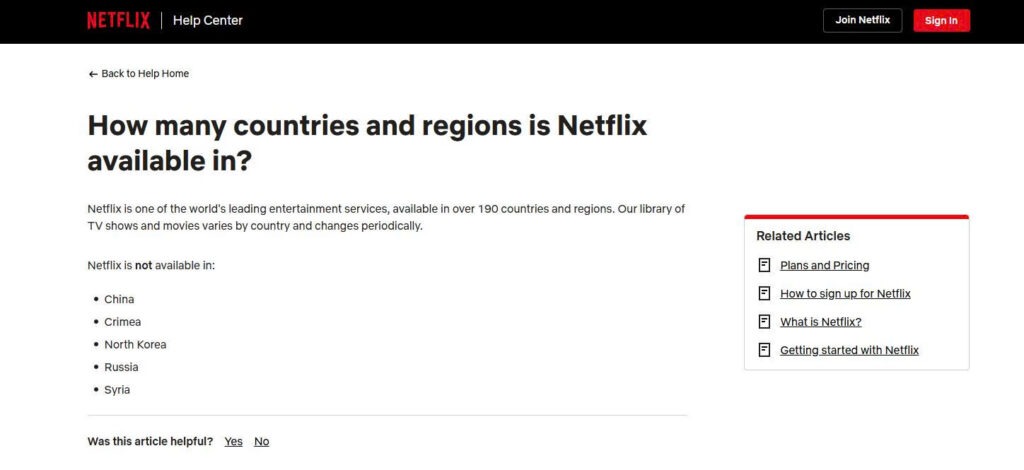
- Digital Copyright and Strict Licensing Agreements: Streaming platforms (like Hulu or HBO Max) or specialized software often purchase distribution rights strictly on a country-by-country basis. If a platform only holds the license for North America, allowing a user in Seoul to subscribe directly breaches their legal contracts with content creators.
- Regional Price Discrimination: Global corporations frequently adjust their subscription or product pricing based on local purchasing power. By locking regions, they prevent users from “region-hopping” to buy cheaper digital keys or services.
- Local Tax and Regulatory Compliance: Selling digital goods and services within South Korea requires strict compliance with local Value Added Tax (VAT) laws and consumer protection acts. Many foreign tech startups block Korean IPs simply to avoid the complex administrative and legal burden of filing taxes overseas.
Safe Alternatives vs. The High Risks of VPN Bypass Payments
When faced with a sudden regional block, many users immediately turn to a Virtual Private Network (VPN) to mask their IP address, hoping to sneak past the system. While this might occasionally work on poorly secured blogs, attempting this on major commercial platforms or subscription services is playing with fire.
Major digital platforms (especially gaming networks like Steam, or strict SaaS tools) actively scan for known commercial VPN IP ranges. If the system detects that you registered an account via a masked IP and used a payment method that mismatches your stated region, automated security triggers will flag your account for terms of service violations. This typically results in an instant, permanent account ban—meaning you lose access to all your purchased content with zero recourse for a refund.
Instead of risking your account data, the safest alternatives are utilizing an established, verified global PayPal account (which sometimes abstracts your underlying card’s region) or actively searching for an officially authorized local Korean distributor or partner.
FAQ
The site is in Korean and shows prices in KRW (₩), but my payment still failed. Why?
This is usually caused by Dynamic Currency Conversion (DCC) or a superficial frontend currency widget. Showing KRW is often just a visual conversion trick by a third-party plugin, not proof of actual backend merchant support for Korean banking systems. If the payment somehow goes through, your bank will likely hit you with steep double-conversion fees.
Money was deducted from my bank account, but the website said “Region Error” and my account isn’t active. What do I do?
Do not panic; this is almost always a “pending authorization” (pre-authorization hold) rather than a completed charge. The foreign payment gateway dropped the transaction due to a regional mismatch, but your Korean bank has temporarily frozen the funds. The bank automatically releases these funds back into your account within 3 to 7 business days.
Can I use a virtual credit card (VCC) issued in the US to bypass a Korean region block?
Sometimes yes, but it is a gray area. While a US-based VCC passes the BIN check and billing address verification, it still relies on your personal identity verification (KYC). If the service requires phone number verification or ID checks matching the card’s country, your account will eventually be flagged and suspended.