
Why an Overseas Broadcaster’s Headquarters News and Regional Bureau News May Be Published on Different Websites
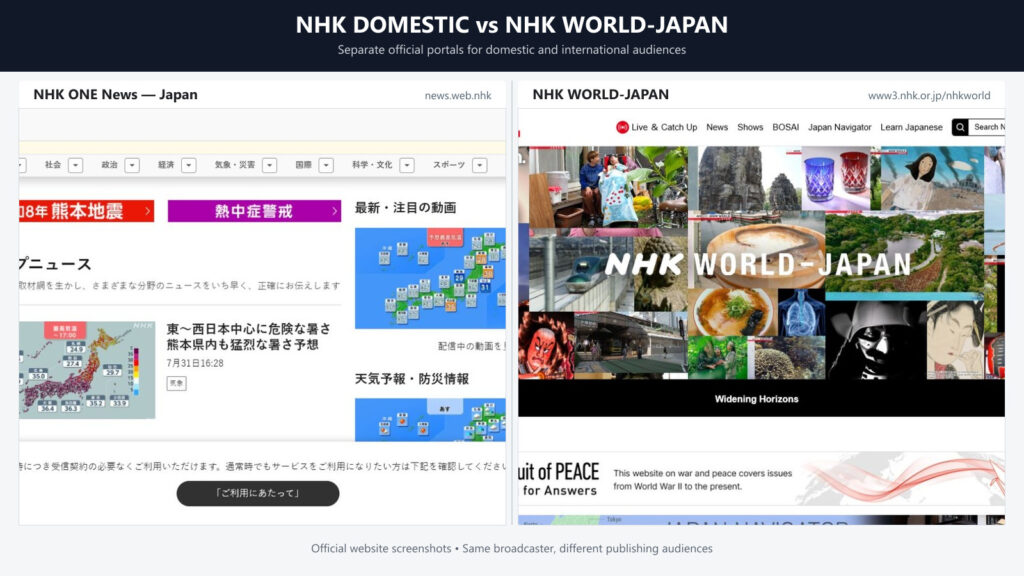
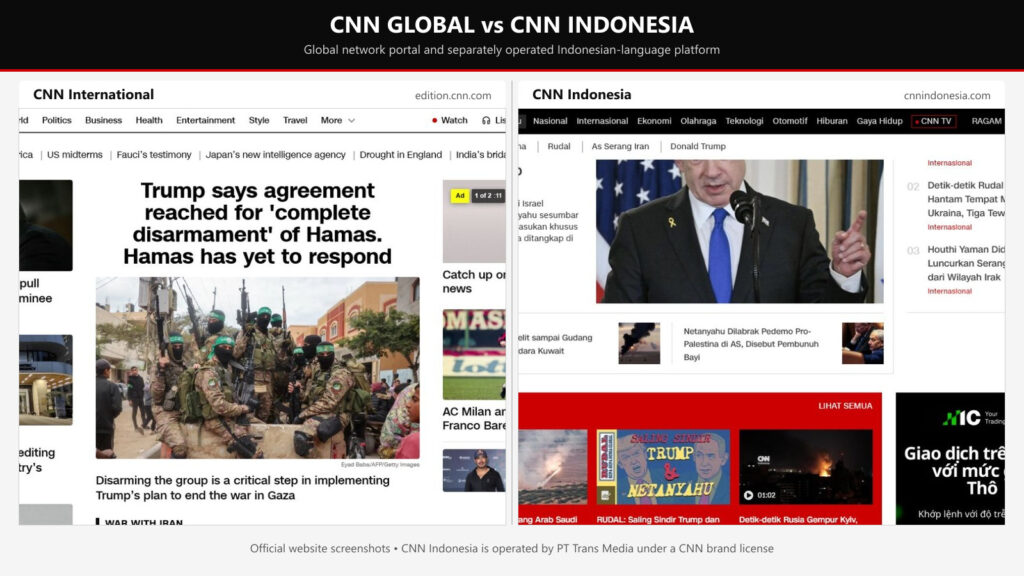
Navigating international news coverage on major broadcasting networks – such as the BBC, CNN, NHK, or Deutsche Welle – frequently presents readers with an unexpected digital architecture. Searching for coverage of a global diplomatic event or regional economic crisis often reveals that a network’s main global homepage hosts one report, while its regional language bureau (such as BBC Vietnamese, CNN Indonesia, or NHK World) publishes a completely different article with tailored localized analysis.
These separate digital publishing channels are not technical errors, nor do they signal unauthorized or unverified reporting. Global media networks intentionally decouple their primary headquarters portals from foreign regional bureaus to manage distinct operational mandates. Understanding how global broadcasting infrastructure balances centralized international reporting with decentralized regional publishing ensures researchers and analysts attribute news stories correctly and locate primary reporting sources efficiently.

Organizational and editorial mandates of global news networks
The primary driver behind maintaining separate digital publishing pipelines is the fundamental difference in audience targeting and editorial responsibility between headquarters and foreign bureaus.
Global strategy vs. localized audience targeting
A news network’s global headquarters (located in hubs like London, Atlanta, or Tokyo) manages macro-level international coverage. Its primary homepage caters to a worldwide, English-speaking audience requiring high-level overviews of global economics, international conflicts, and major diplomatic summits.
Conversely, regional bureaus focus on micro-level localized impact. A regional bureau in Singapore, Nairobi, or São Paulo translates global developments into the native language and analyzes how international events affect local regulations, domestic supply chains, and regional politics. Publishing these specialized stories on separate web portals prevents the main global homepage from becoming cluttered with niche regional reporting that may not interest a general international reader.
Decentralized Content Management Systems (CMS) and editorial speed
From an operational engineering perspective, giving regional bureaus independent digital publishing platforms is essential for breaking news speed.
If journalists at a foreign bureau in Seoul or Jakarta had to submit every local news article through a centralized Content Management System (CMS) controlled by editors at headquarters in London or New York, time zone differences and bureaucratic approval bottlenecks would severely delay publication. Decentralized web architecture grants regional bureau editors full publishing autonomy over their dedicated portals, enabling rapid, real-time reporting during local emergencies.
Structural comparison between headquarters portals and regional bureau sites
To understand how publishing parameters vary across a global media network, review this structural breakdown comparing headquarters portals against regional bureau sites:
| Publishing tier | Domain & URL architecture | Primary editorial focus | Update frequency & citation authority |
| Main Headquarters Portal | Root domain or primary global TLD (e.g., bbc.com, cnn.com). | Macro-geopolitics, global financial markets, international breaking news. | Real-Time Continuous. Serves as the official corporate voice for global statements. |
| Regional Bureau Site | Subdirectory or language subdomain (e.g., bbc.com/vietnamese, cnnnational.id). | Localized political impact, regional economic analysis, native-language news. | Batch / Event-Driven. Serves as the authoritative source for local contextual analysis. |
Domain syntax patterns and brand authentication markers
Because cybercriminals frequently set up spoofed “lookalike” news portals to spread propaganda or malware, readers must learn to verify whether a regional bureau site legitimately belongs to the parent broadcasting network.
Subdirectories, subdomains, and country-code TLDs
Legitimate news networks structure their international bureau URLs using three primary, secure web architecture patterns:
- Subdirectories: The regional bureau exists as a folder off the main domain (e.g., brand.com/asia/ or brand.com/uk/). This is the most common and secure structure.
- Subdomains: The regional language or country code precedes the main domain (e.g., vietnamese.brand.com or arabic.brand.com).
- Country-Code Top-Level Domains (ccTLDs): In cases involving local media joint ventures, the broadcaster registers a specific national extension (e.g., brand.co.uk, brand.jp, or brand.de).
Header logos, footer copyright lines, and contact transparency
An authentic regional bureau site always inherits the core visual identity and legal footer of the parent network. Scroll to the bottom of the page and inspect the copyright statement. An official bureau site will explicitly list the parent media group (e.g., “© 2024 British Broadcasting Corporation”) and link directly back to the main corporate privacy policy and ethics guidelines.
Furthermore, legitimate bureau sites publish transparent contact information, including physical bureau addresses and professional staff email domains, rather than generic web forms.
News datelines, bylines, and proper journalistic attribution
Understanding newsroom architecture is vital for academic, legal, and professional citation. Misattributing a regional bureau opinion piece to the global headquarters can distort the perceived official stance of a news organization.
When citing an article, inspect the dateline and byline appearing directly beneath the headline or in the opening sentence. A dateline reading “TOKYO — Reuters” or “Nairobi Bureau” indicates that the information was gathered and filed by journalists stationed on the ground in that specific location, operating under regional editorial oversight.
Furthermore, recognize update latency differences between publishing tiers. During an international crisis, the main headquarters portal may update breaking facts faster due to wire-service integration, whereas the regional bureau site may take several hours longer to publish a longer, deeply researched analytical piece translated into the local language. Checking both portals provides a complete, multi-dimensional view of the event.
Frequently asked questions
Does a story published by a regional bureau carry the same legal authority as a main headquarters report?
Yes. Articles published on official bureau portals undergo editorial review according to the parent network’s journalistic standards and hold full corporate backing. However, regional bureau pieces often reflect localized analytical angles rather than official corporate editorial board stances.
Why do regional bureau sites sometimes use completely different domain names?
In certain countries, foreign media networks are legally required to partner with local domestic media companies to obtain broadcasting licenses. These joint-venture regional bureaus often operate under a separate, co-branded domain name to comply with local media ownership laws.
What should I do if a regional bureau article contradicts a report on the broadcaster’s main headquarters site?
First, check the publication timestamps. Discrepancies usually occur because one portal updated its article with fresh breaking data while the other has not yet synchronized. If the timestamps match but facts differ, return to the official primary source document (such as a government transcript or press release) to resolve the contradiction.